EXCHANGE Launching Webinar
On 19 October 2020, the EXCHANGE — Explore Cross-border Aquatic Biodiversity project held its launching event, “Blue Pass as New Adriatic Tourism Offer”, bringing together around 30 participants.
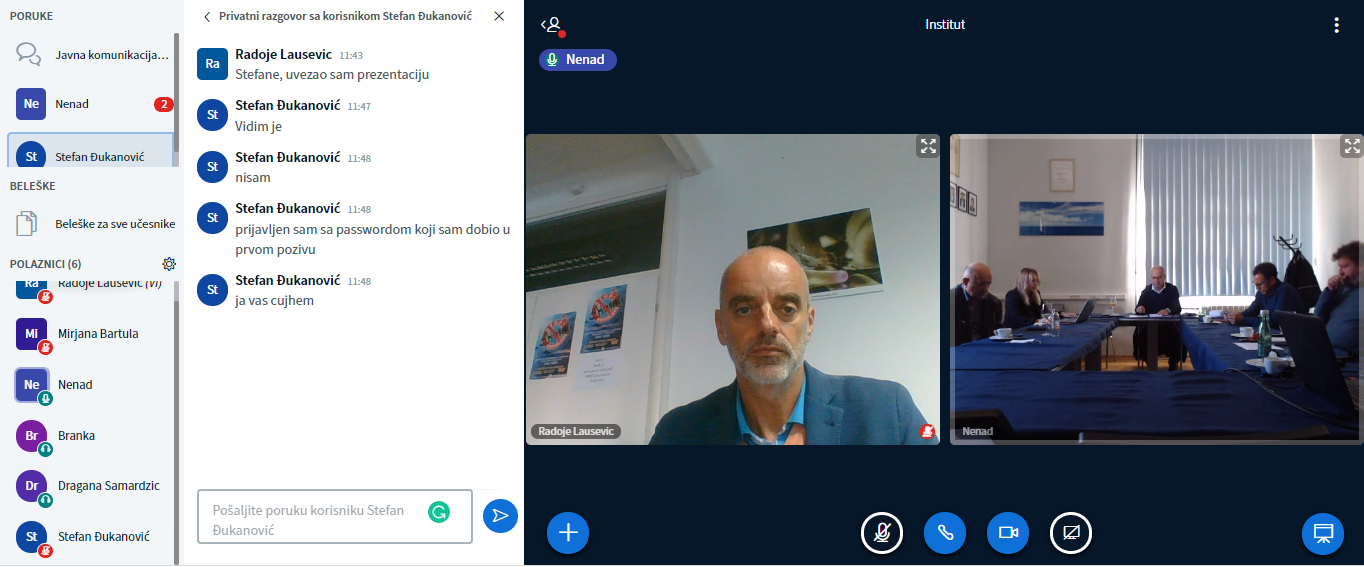
COVID-19 travel and meeting restrictions shaped the event’s format. Seminars hosted by the University of Dubrovnik’s Institute for Marine and Coastal Research and the University of Montenegro’s Institute of Marine Biology in Kotor were connected through an interactive webinar platform.
My contribution included presenting the project’s activities and deliverables, followed by facilitating an internal stakeholder-mapping session.
Introducing the project and Blue Pass
Following the welcome address by Dr Nenad Antolović and the project overview by Dr Nikša Glavić, I presented the activities planned across the partnership. Each partner then introduced its organisation and implementation responsibilities.
The public session explained the concept of Blue Pass, a joint tourism product intended to connect aquatic biodiversity experiences in Croatia, Montenegro, and Bosnia and Herzegovina.
The proposed offer linked Dubrovnik and its aquarium, Kotor and Aquarium Boka, the Hutovo Blato Aqua Path, and Mostar’s Old Bridge and River Neretva through thematic routes and improved visitor infrastructure.
Maintaining exchange during COVID-19 restrictions
The combined format enabled partners and stakeholders to participate despite restrictions on travel and gatherings. The University of Dubrovnik provided the webinar platform, supporting video communication and interactive text chat.
This arrangement allowed the partnership to introduce the project publicly while retaining space for discussion and joint work. Presentations were subsequently made available through the project website.
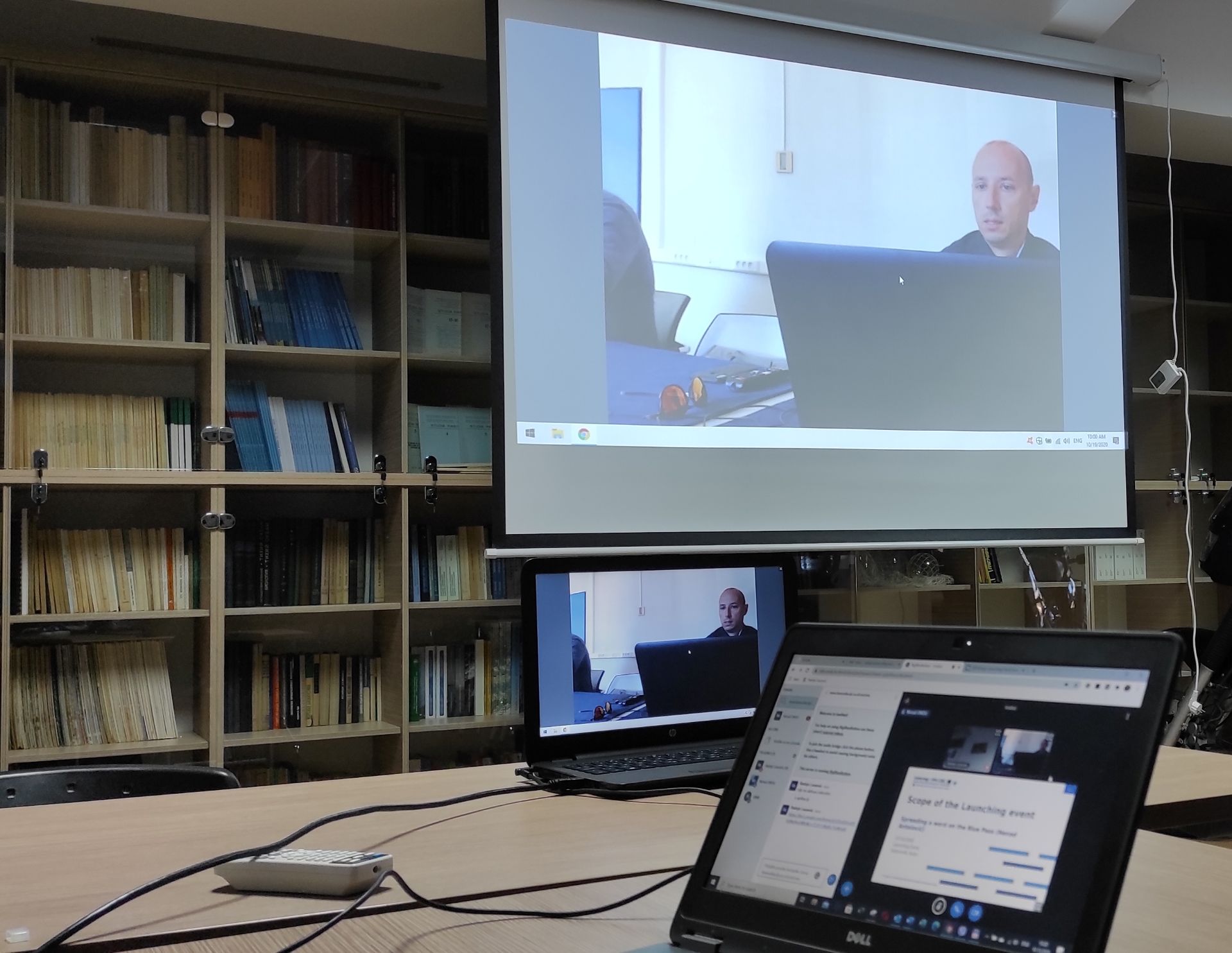
Photo: Nenad Antolović, University of Dubrovnik, speaking at the EXCHANGE seminar and webinar during COVID-19 restrictions.
Facilitating stakeholder mapping
In the internal session, I introduced the purpose and methodology of stakeholder analysis and facilitated the group work.
The discussion examined relevant organisations and groups, their interests, potential participation in developing tourism products, access to information and relationships with other stakeholders. It also considered how engagement could be strengthened where interest or knowledge was limited.
Partners had received the methodology, stakeholder table and target-group information in advance, providing a common basis for the exercise.
The session connected implementation planning with a practical engagement question: who needed to be involved in developing Blue Pass, and how could the partnership support their participation?
Learning from participant feedback
Nineteen participants completed the evaluation questionnaire. Most respondents considered the event useful, well organised and clearly presented. Requests for further information covered local biodiversity, training, future activities and opportunities for other institutions to become involved in Blue Pass.
These responses provided direction for subsequent communication and stakeholder engagement.
Cover photo: EXCHANGE seminar and webinar during COVID-19 restrictions.